

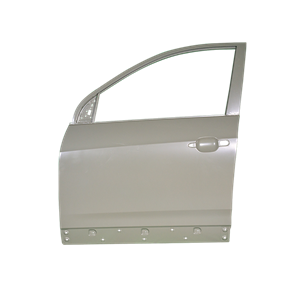
Automotive stamping parts are essential components in the automotive industry, serving as the building blocks for various vehicle structures and systems. These parts are produced through a process that involves shaping metal using dies and presses. The main types of automotive stamping parts can be categorized based on their application, material, and manufacturing process. Here’s a detailed overview:
1. Classification Based on Application
a. Body Stamping Parts
Body stamping parts are critical for the structural integrity and aesthetics of the vehicle. They include components such as doors, hoods, fenders, roofs, and trunk lids. These parts are typically made from materials like steel, aluminum, and magnesium alloys to ensure strength, durability, and lightweight properties.
b. Chassis Stamping Parts
Chassis stamping parts are vital for the vehicle's suspension system, steering system, and frame. They include components such as brackets, crossmembers, and reinforcement beams. These parts require high strength and durability to withstand the vehicle's weight and dynamic forces.
c. Engine Stamping Parts
Engine stamping parts are essential for the engine's performance and efficiency. They include components such as cylinder heads, cylinder blocks, pistons, and crankshafts. These parts are typically made from high-strength steel and require precise manufacturing to ensure optimal engine performance.
d. Interior Stamping Parts
Interior stamping parts contribute to the comfort and functionality of the vehicle's interior. They include components such as dashboard panels, seat frames, and door panels. These parts are often made from materials that offer a good balance of strength, durability, and aesthetic appeal.
e. Safety Stamping Parts
Safety stamping parts are crucial for the vehicle's safety systems. They include components such as airbags, seat belts, and structural reinforcements. These parts must meet stringent safety standards and are typically made from high-strength materials.
2. Classification Based on Material
a. Steel Stamping Parts
Steel is the most commonly used material for automotive stamping parts due to its strength, durability, and cost-effectiveness. It is used in various applications, from body and chassis components to engine and safety parts.
b. Aluminum Stamping Parts
Aluminum is increasingly used in automotive stamping parts due to its lightweight properties, which contribute to the vehicle's fuel efficiency and performance. It is commonly used in body and engine components.
c. Magnesium Stamping Parts
Magnesium is another lightweight material used in automotive stamping parts. It offers excellent strength-to-weight ratio and is used in applications where weight reduction is critical, such as in engine components and structural parts.
d. Plastic and Composite Stamping Parts
Plastics and composites are used in automotive stamping parts for their lightweight, corrosion-resistant, and cost-effective properties. They are commonly used in interior components and some structural applications.
3. Classification Based on Manufacturing Process
a. Cold Stamping Parts
Cold stamping is a process that involves shaping metal at room temperature using dies and presses. It is widely used for producing high-precision parts with complex shapes, such as body panels and engine components.
b. Hot Stamping Parts
Hot stamping is a process that involves heating metal to a high temperature before stamping. This process improves the formability of the material, allowing for the production of complex shapes with minimal springback. It is commonly used for producing high-strength steel components.
c. Precision Stamping Parts
Precision stamping is a process that involves using advanced and equipment to produce parts with tight tolerances and high surface finish. It is used in applications where precision is critical, such as in engine components and electronic control units.
d. Deep Drawing Parts
Deep drawing is a process that involves stretching and thinning metal to create deep, hollow parts with a uniform wall thickness. It is commonly used in the production of components such as fuel tanks and battery casings.
4. Classification Based on Complexity
a. Simple Stamping Parts
Simple stamping parts include components with basic shapes and features, such as flat plates, round holes, and simple contours. These parts are typically produced using basic stamping operations like blanking and piercing.
b. Complex Stamping Parts
Complex stamping parts involve intricate shapes and features, such as curved surfaces, multiple bends, and tight tolerances. These parts require advanced design and manufacturing processes, such as multi-stage stamping and laser cutting.
c. High-precision Stamping Parts
High-precision stamping parts are produced with extremely tight tolerances and require advanced equipment and to ensure accuracy. These parts are used in critical applications where precision is essential, such as in engine components and electronic control units.
d. Ultra-high Precision Stamping Parts
Ultra-high precision stamping parts are produced with tolerances in the micrometer range and require state-of-the-art equipment and . These parts are used in high-end applications, such as in the aerospace and medical industries.
5. Classification Based on Function
a. Structural Stamping Parts
Structural stamping parts provide the primary support and framework for the vehicle. They include components such as the chassis, frame, and body structure. These parts must be strong, durable, and lightweight.
b. Functional Stamping Parts
Functional stamping parts perform specific functions within the vehicle, such as the engine, transmission, and suspension systems. These parts are designed to meet specific performance requirements and are often made from high-strength materials.
c. Aesthetic Stamping Parts
Aesthetic stamping parts contribute to the vehicle's appearance and interior design. They include components such as door handles, grille, and interior trim. These parts are often made from materials that offer a good balance of strength, durability, and aesthetic appeal.
d. Safety-related Stamping Parts
Safety-related stamping parts are critical for the vehicle's safety systems, such as airbags, seat belts, and structural reinforcements. These parts must meet stringent safety standards and are typically made from high-strength materials.
6. Classification Based on Assembly
a. Single-piece Stamping Parts
Single-piece stamping parts are produced as a single unit without the need for additional assembly. These parts are typically simple in design and are used in applications where weight and cost are critical.
b. Multi-piece Stamping Parts
Multi-piece stamping parts are produced in multiple components that require assembly to form the final part. These parts are often used in applications where complex shapes and features are required.
c. Hybrid Stamping Parts
Hybrid stamping parts combine multiple manufacturing processes, such as stamping, welding, and casting, to produce a single part. These parts are used in applications where traditional stamping alone is not feasible.
d. Modular Stamping Parts
Modular stamping parts are designed to be easily interchangeable and scalable, allowing for quick assembly and disassembly. These parts are used in applications where flexibility and modularity are important, such as in the production of electric vehicles.
7. Classification Based on Environmental Impact
a. Recyclable Stamping Parts
Recyclable stamping parts are designed to be easily recycled at the end of their life cycle. These parts are typically made from materials that can be easily recycled, such as steel and aluminum.
b. Sustainable Stamping Parts
Sustainable stamping parts are produced using environmentally friendly processes and materials. These parts are designed to minimize waste and energy consumption throughout their lifecycle.
c. Eco-friendly Stamping Parts
Eco-friendly stamping parts are made from materials that have a low environmental impact, such as biodegradable plastics and recycled metals. These parts are used in applications where environmental sustainability is a priority.
d. Green Stamping Parts
Green stamping parts are produced using processes that minimize the use of harmful chemicals and reduce the carbon footprint. These parts are used in applications where environmental responsibility is important.
8. Classification Based on Technology
a. Conventional Stamping Parts
Conventional stamping parts are produced using traditional stamping processes and equipment. These parts are typically produced in high volumes and are used in a wide range of applications.
b. Advanced Stamping Parts
Advanced stamping parts are produced using state-of-the-art technology, such as laser cutting, water jet cutting, and high-speed stamping. These parts are used in applications where precision and efficiency are critical.
c. Hybrid Manufacturing Parts
Hybrid manufacturing parts combine traditional stamping processes with advanced technologies, such as additive manufacturing and robotics. These parts are used in applications where flexibility and efficiency are important.
d. Intelligent Stamping Parts
Intelligent stamping parts are produced using smart manufacturing technologies, such as IoT, artificial intelligence, and big data analytics. These parts are used in applications where real-time monitoring and optimization are important.
9. Classification Based on Market Demand
a. High-demand Stamping Parts
High-demand stamping parts are components that are in high demand due to their critical role in the vehicle's performance and safety. These parts are typically produced in large volumes and are made from high-quality materials.
b. Low-demand Stamping Parts
Low-demand stamping parts are components that are in lower demand and are often produced in smaller volumes. These parts may be made from less expensive materials and may not require the same level of precision.
c. Emerging Market Stamping Parts
Emerging market stamping parts are components that are gaining popularity due to new technologies and trends, such as electric vehicles and autonomous driving. These parts often require specialized manufacturing processes and materials.
d. Seasonal Stamping Parts
Seasonal stamping parts are components that experience fluctuating demand based on seasonal trends, such as decorative trim and accessories. These parts may be produced
This website uses cookies to ensure you get the best experience on our website.
 Español
 Portugues
 Pусский
 العربية



 Phone
Comment
(0)