

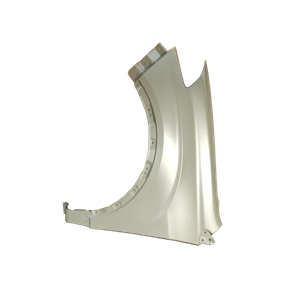
Automotive stamping parts play a crucial role in vehicle manufacturing, serving as the fundamental building blocks for constructing the vehicle's structure and various systems. These parts are produced through a process that involves shaping metal sheets using dies and presses, and their application in vehicle manufacturing is both diverse and indispensable. Here’s a detailed exploration of how automotive stamping parts are applied in the vehicle manufacturing process:
1. Body and Structure Assembly
The body and structure of a vehicle are the foundation upon which all other components are built. Automotive stamping parts are integral to this assembly, providing the necessary strength, durability, and shape to the vehicle's framework.
a. Body Panels
Body panels such as hoods, doors, fenders, roofs, and trunk lids are typically made from stamped steel or aluminum. These panels not only contribute to the vehicle's aesthetic appeal but also provide structural integrity and protection for occupants.
b. Frame and Chassis Components
The vehicle's frame and chassis are the backbone of the vehicle, providing support for the body and suspension system. Stamping parts such as crossmembers, brackets, and reinforcement beams are used to construct these critical components.
c. Structural Reinforcements
Structural reinforcements such as bracing bars, impact beams, and rocker panels are used to enhance the vehicle's strength and safety. These parts are typically made from high-strength steel and are designed to absorb and distribute crash forces.
2. Engine and Transmission Systems
The engine and transmission systems are the heart of the vehicle, responsible for providing power and torque to the wheels. Stamping parts play a vital role in these systems, ensuring efficient operation and reliability.
a. Engine Components
Engine components such as cylinder heads, cylinder blocks, pistons, and crankshafts are often made from stamped steel or aluminum. These parts must withstand high temperatures and pressures, requiring precise manufacturing and material selection.
b. Transmission Components
Transmission components such as gear cases, shift forks, and clutch plates are also made from stamped parts. These components must provide smooth and reliable power transmission, requiring high precision and durability.
3. Suspension and Steering Systems
The suspension and steering systems are responsible for providing a smooth ride, handling, and stability. Stamping parts are used extensively in these systems, ensuring strength, durability, and precision.
a. Suspension Components
Suspension components such as control arms, shock absorber mounts, and spring hangers are made from stamped steel or aluminum. These parts must withstand dynamic loads and provide a stable ride.
b. Steering Components
Steering components such as steering knuckles, tie rods, and gearboxes are also made from stamped parts. These components must provide precise and responsive steering, requiring high precision and durability.
4. Interior and Exterior Trim
The interior and exterior trim of a vehicle contribute to its aesthetic appeal and comfort. Stamping parts are used to create these components, providing a seamless and refined look.
a. Interior Trim
Interior trim components such as dashboard panels, door panels, and seat frames are often made from stamped steel, aluminum, or plastics. These parts must provide a comfortable and stylish environment for occupants.
b. Exterior Trim
Exterior trim components such as grille inserts, bumper beams, and mirror mounts are also made from stamped parts. These components must provide a sleek and aerodynamic appearance while also protecting the vehicle from external damage.
5. Safety Systems
Safety systems are critical for protecting occupants in the event of a crash. Stamping parts play a vital role in these systems, ensuring strength, durability, and reliability.
a. Airbags
Airbag components such as airbag housings, inflators, and sensors are made from stamped steel or aluminum. These parts must withstand high temperatures and pressures, requiring precise manufacturing and material selection.
b. Seat Belts
Seat belt components such as webbing, retractors, and buckles are also made from stamped parts. These components must provide reliable restraint in the event of a crash, requiring high strength and durability.
c. Structural Reinforcements
Structural reinforcements such as crumple zones and impact beams are used to absorb and distribute crash forces. These parts are typically made from high-strength steel and are designed to protect occupants from injury.
6. Electrical and Electronic Systems
The electrical and electronic systems of a vehicle are responsible for providing power, communication, and control functions. Stamping parts are used in these systems, ensuring reliability and efficiency.
a. Electrical Connectors
Electrical connectors such as terminals, sockets, and harnesses are made from stamped copper or aluminum. These parts must provide reliable electrical connections, requiring high precision and durability.
b. Electronic Control Units (ECUs)
ECUs are the brain of the vehicle's electronic systems, responsible for controlling various functions such as engine management, transmission control, and safety systems. Stamping parts such as brackets, mounting plates, and heat sinks are used to secure and protect these critical components.
7. Manufacturing Process Integration
The application of automotive stamping parts in vehicle manufacturing involves a seamless integration with various manufacturing processes to ensure efficiency, quality, and cost-effectiveness.
a. Design and Engineering
The design and engineering phase involves creating detailed drawings and specifications for each stamping part, taking into account factors such as material properties, manufacturing processes, and assembly requirements.
b. Material Selection and Preparation
Material selection involves choosing the appropriate metal or alloy based on strength, weight, cost, and formability requirements. Preparation involves cleaning, cutting, and forming the material to the desired shape and size.
c. Stamping and Forming
Stamping and forming involve using dies and presses to shape the material into the desired part. This process may involve multiple stages, including blanking, piercing, bending, and drawing.
d. Quality Control and Inspection
Quality control and inspection involve checking each part for dimensions, surface finish, and mechanical properties to ensure they meet the required standards and specifications.
e. Assembly and Integration
Assembly and integration involve fitting the stamping parts into the vehicle's structure and systems, ensuring proper alignment, fitment, and function.
8. Innovation and Future Trends
The application of automotive stamping parts in vehicle manufacturing is constantly evolving, driven by innovation and technological advancements.
a. Lightweight Materials
The use of lightweight materials such as aluminum, magnesium, and carbon fiber composites is becoming increasingly common, reducing vehicle weight and improving fuel efficiency.
b. Advanced Manufacturing Processes
Advanced manufacturing processes such as laser cutting, water jet cutting, and additive manufacturing are being used to produce complex shapes and features with high precision and efficiency.
c. Intelligent Manufacturing
Intelligent manufacturing technologies such as IoT, artificial intelligence, and big data analytics are being used to optimize the manufacturing process, improve quality control, and reduce costs.
d. Sustainability
Sustainability is becoming a key focus in vehicle manufacturing, with efforts to reduce waste, energy consumption, and environmental impact through the use of recyclable materials, eco-friendly processes, and green manufacturing technologies.
In conclusion, automotive stamping parts are essential components in vehicle manufacturing, serving a wide range of applications from body and structure assembly to engine and transmission systems, suspension and steering systems, interior and exterior trim, safety systems, and electrical and electronic systems. Their application involves a seamless integration with various manufacturing processes, ensuring efficiency, quality, and cost-effectiveness. As technology advances, the use of lightweight materials, advanced manufacturing processes, intelligent manufacturing, and sustainability will continue to drive innovation in the application of automotive stamping parts in vehicle manufacturing.
This website uses cookies to ensure you get the best experience on our website.
 Español
 Portugues
 Pусский
 العربية



 Phone
Comment
(0)