

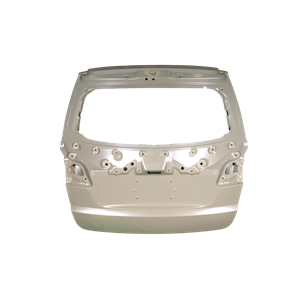
Automotive stamping parts are essential components in the automotive industry, serving as the building blocks for various vehicle structures and systems. The choice of materials for these parts is critical, as it directly impacts the performance, durability, and cost-effectiveness of the final product. Here’s a detailed overview of the materials commonly used for automotive stamping parts:
1. Steel
Steel is the most widely used material for automotive stamping parts due to its strength, durability, and cost-effectiveness. It is available in various forms, including:
a. Carbon Steel
Carbon steel is commonly used for general-purpose stamping parts. It is available in different grades, such as Q195, Q235, and Q275, each with varying levels of strength and toughness. Carbon steel is suitable for parts that require moderate strength and good formability .
b. Low Alloy Steel
Low alloy steel, such as Q345 (16Mn) and Q295 (09Mn2), is used for parts that require higher strength and toughness. These steels contain small amounts of alloying elements, such as manganese and nickel, which enhance their mechanical properties .
c. Stainless Steel
Stainless steel is used for parts that require excellent corrosion resistance and aesthetic appeal. Common grades include 1Cr18Ni9Ti and 1Cr13. Stainless steel is widely used in automotive exterior parts, exhaust systems, and components that are exposed to harsh environments .
d. Galvanized Steel
Galvanized steel is steel that has been coated with a layer of zinc to protect it from corrosion. It is commonly used for parts that require long-term durability in outdoor environments, such as car bodies and chassis components .
2. Aluminum and Its Alloys
Aluminum and its alloys are increasingly used in automotive stamping parts due to their lightweight properties, which contribute to improved fuel efficiency and performance. Common aluminum alloys include:
a. Aluminum Alloy
Aluminum alloy, such as LF21 and LY12, is widely used for parts that require a good balance of strength, durability, and lightweight properties. It is commonly used in Body panels, doors, etc components .
b. Magnesium Alloy
Magnesium alloy is known for its high strength-to-weight ratio and is used in applications where weight reduction is critical, such as in engine components and structural parts. However, its high cost and limited formability restrict its widespread use .
3. Copper and Its Alloys
Copper and its alloys, such as brass (brass) and bronze (bronze), are used for parts that require excellent electrical conductivity and corrosion resistance. Common applications include electrical connectors, terminals, and heat sinks .
4. Titanium and Its Alloys
Titanium and its alloys are used for high-performance automotive parts that require exceptional strength, lightweight properties, and excellent corrosion resistance. Common applications include engine components, suspension parts, and structural reinforcements .
5. Plastics and Composites
Plastics and composites are used for parts that require lightweight, corrosion-resistant, and cost-effective solutions. Common materials include:
a. Polypropylene (PP)
Polypropylene is a lightweight and cost-effective plastic that is used for interior components, such as dashboard panels and door panels .
b. Polyvinyl Chloride (PVC)
Polyvinyl chloride is used for exterior components, such as bumpers and grilles, due to its durability and corrosion resistance .
c. Glass Fiber Reinforced Plastics (GFRP)
GFRP is used for structural components that require high strength and stiffness, such as chassis components and suspension parts .
d. Carbon Fiber Reinforced Plastics (CFRP)
CFRP is used for high-performance parts that require exceptional strength-to-weight ratio, such as in racing vehicles and high-end sports cars .
6. Non-Metallic Materials
Non-metallic materials, such as rubber, fiberboard, and plastic laminates, are used for parts that require flexibility, insulation, or aesthetic appeal. Common applications include:
a. Rubber
Rubber is used for components such as seals, gaskets, and hoses due to its flexibility and durability .
b. Fiberboard
Fiberboard is used for interior components, such as door panels and trunk liners, due to its lightweight and cost-effective properties .
c. Plastic Laminates
Plastic laminates are used for exterior components, such as grilles and trim, due to their durability and aesthetic appeal .
This website uses cookies to ensure you get the best experience on our website.
 Español
 Portugues
 Pусский
 العربية



 Phone
Comment
(0)