

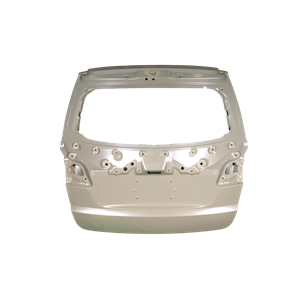
The quality of automotive stamping parts is influenced by a multitude of factors that encompass the entire manufacturing process, from design and material selection to the specific stamping techniques employed. These factors collectively determine the final product's performance, durability, safety, and overall satisfaction. Here’s a detailed exploration of the key factors affecting the quality of automotive stamping parts:
1. Design and Engineering
The design phase lays the foundation for the stamping part's quality. Several design considerations are crucial:
a. Design Accuracy
The precision and accuracy of the part's design directly impact its manufacturability and functionality. Designers must ensure that the part's dimensions, tolerances, and shapes are clearly defined and achievable within the stamping process.
b. Material Considerations
Choosing the appropriate material based on the part's intended use, load-bearing requirements, and environmental conditions is essential. Material properties such as strength, ductility, and formability must align with the design specifications.
c. Simulation and Testing
Utilizing computer-aided design (CAD) and finite element analysis (FEA) tools to simulate the stamping process helps predict potential issues like material flow, springback, and stress concentrations. Physical testing of prototypes is also crucial to validate the design.
2. Material Quality
The quality of the raw material used significantly affects the stamping part's quality:
a. Material Composition
The chemical composition of the metal or alloy must meet strict standards to ensure consistent mechanical properties and performance.
b. Material Consistency
Variations in material thickness, hardness, and surface finish can lead to inconsistencies in the stamping process and the final product. Ensuring material consistency is crucial.
c. Material Preparation
Proper cleaning, degreasing, and preprocessing of materials are necessary to prevent defects such as surface contamination, which can affect the part's quality and performance.
3. Stamping Process Control
Controlling the stamping process is critical to achieving high-quality parts:
a. Machine Calibration and Maintenance
Regular calibration and maintenance of stamping machines ensure that they operate within specified parameters, minimizing the risk of defects due to machine malfunction.
b. Process Parameters
Precise control of process parameters such as punch speed, die clearance, and lubrication is essential. These parameters significantly influence the part's dimensions, shape, and surface finish.
c. Operator Skill and Training
Well-trained and skilled operators are crucial for monitoring and adjusting the stamping process in real-time, ensuring that any deviations are promptly addressed.
4. Tooling and Die Quality
High-quality tooling and dies are essential for producing precise and consistent stamping parts:
a. Die Design and Manufacturing
Dies must be designed with precision, taking into account factors such as material flow, springback, and dimensional tolerances. High-quality manufacturing processes ensure that dies meet these design requirements.
b. Die Material
Choosing the right material for dies based on wear resistance, hardness, and thermal conductivity is crucial. High-quality die materials ensure longer tool life and consistent part quality.
c. Die Maintenance
Regular inspection, maintenance, and repair of dies are necessary to prevent wear and damage that can lead to dimensional inaccuracies and defects.
5. Quality Control and Inspection
Rigorous quality control and inspection processes are necessary to ensure the quality of stamping parts:
a. Inspection Planning
Developing a comprehensive inspection plan that outlines the inspection methods, frequency, and acceptance criteria for each part.
b. Dimensional Inspection
Using precision measuring tools such as calipers, micrometers, and coordinate measuring machines (CMMs) to check the part's dimensions and tolerances.
c. Surface Finish and Cosmetic Inspection
Inspecting the part's surface finish and cosmetic appearance for any defects such as scratches, dents, or irregularities.
d. Non-Destructive Testing (NDT)
Using NDT methods such as ultrasonic testing, X-ray inspection, or dye penetrant to detect internal defects that may not be visible to the naked eye.
6. Environmental Factors
Environmental conditions can affect the stamping process and the quality of the final product:
a. Temperature and Humidity
Controlling the temperature and humidity in the stamping environment helps maintain consistent material properties and process parameters.
b. Cleanliness
Maintaining a clean and dust-free environment prevents contamination of materials and parts, which can lead to defects.
7. Process Improvement and Optimization
Continuous improvement and optimization of the stamping process are essential for maintaining quality:
a. Process Data Analysis
Collecting and analyzing process data to identify trends, patterns, and areas for improvement. Using statistical process control (SPC) tools helps in monitoring and controlling the process.
b. Root Cause Analysis (RCA)
Conducting RCA to identify the underlying causes of defects and process variations. Implementing corrective actions to address these issues and prevent recurrence.
8. Supplier Quality Management
Ensuring that suppliers of raw materials, tooling, and components meet quality standards is crucial:
a. Supplier Selection
Selecting suppliers who adhere to strict quality standards and have a proven track record of producing high-quality products.
b. Material Traceability
Ensuring material traceability from the source to the final part. This helps in identifying and addressing any issues related to material quality or consistency.
9. Regulatory Compliance
Adhering to regulatory standards and guidelines is essential for ensuring the quality of stamping parts:
a. Industry Standards
Complying with industry standards such as ISO 9001, IATF 16949, and ASME, which provide guidelines for quality management and manufacturing processes.
b. Safety Standards
Ensuring that stamping parts meet safety standards such as those set by the National Highway Traffic Safety Administration (NHTSA) and the Insurance Institute for Highway Safety (IIHS).
10. Innovation and Technology
Leveraging innovation and advanced technology can significantly enhance the quality of stamping parts:
a. Advanced Manufacturing Techniques
Using advanced manufacturing techniques such as laser cutting, precision stamping, and additive manufacturing to produce complex shapes and features with high precision.
b. Automation and Robotics
Implementing automation and robotics in the stamping process helps improve consistency, reduce human error, and increase efficiency.
In conclusion, the quality of automotive stamping parts is influenced by a multitude of factors that encompass the entire manufacturing process. By focusing on design accuracy, material quality, process control, tooling and die quality, quality control, environmental factors, process improvement, supplier quality management, regulatory compliance, and innovation, manufacturers can produce high-quality, reliable stamping parts that meet the stringent requirements of the automotive industry.
This website uses cookies to ensure you get the best experience on our website.
 Español
 Portugues
 Pусский
 العربية



 Phone
Comment
(0)